The heavens declare the glory of God; the skies proclaim the work of his hands (Psalm 19:1).
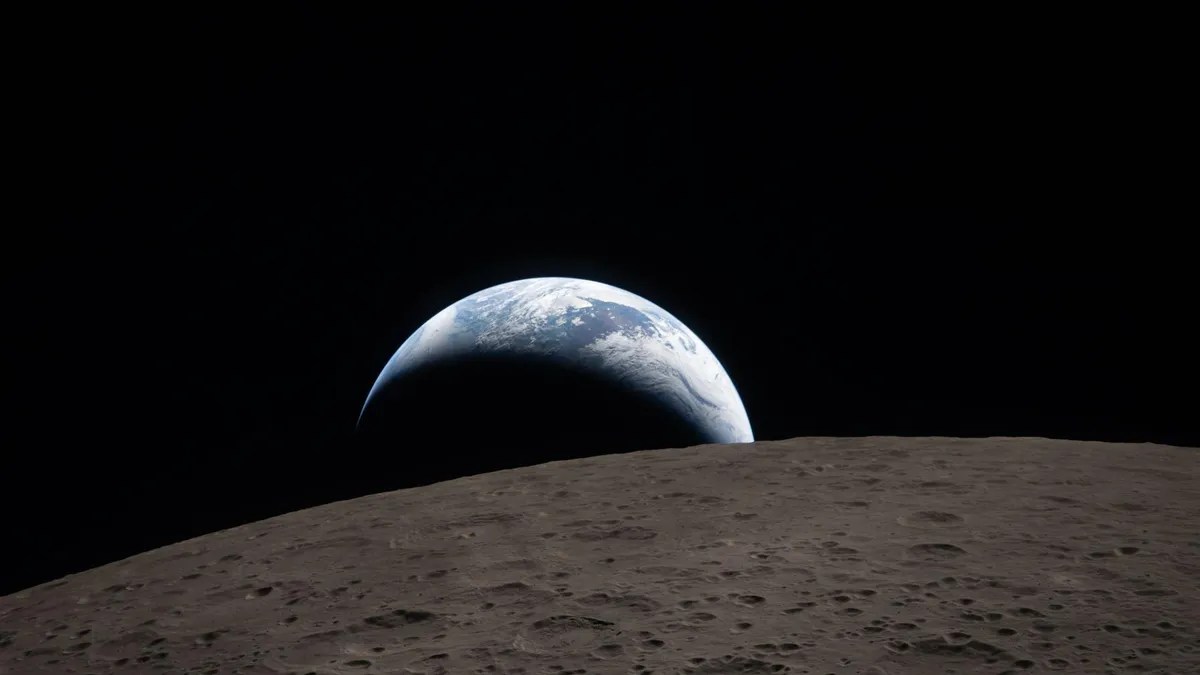
Tears gathered in her eyes and slipped down her cheek as the lunar flight of Artemis II roared into the sky. We held our breath while the crew launched into their historic mission. The lunar journey began, and our nation watched. When they swept around the far side of the Moon, the spacecraft soared about a quarter of a million miles from home. As we read reports and watched the video feeds, we sat in awe—not only of human ingenuity but also of the glory, beauty, and majesty of God. I think it is fair to say that just as foxholes leave no room for atheism, neither does Artemis II.
Theologians often speak of general revelation—the truth that God continually reveals His existence to all people through creation and experience, leaving no one with an excuse (Romans 1:19–20). In the flight of Artemis II, God displays His power. He shows Himself to us through the majesty and beauty intricately woven into His universe.
The Psalmist captures this wonder with beautiful clarity: “When I observe your heavens, the work of your fingers, the moon and the stars which you set in place, what is a human being that you remember him, a son of man that you look after him?” Watching the journey of Artemis II makes that question feel even more weighty. The sheer scale of the heavens humbles us and fills us with awe. Why would God even consider you and me?
Let me offer two reflections. First, marvel at the majesty and beauty of God. Let the greatness of His creation overwhelm you with worship. “The heavens declare the glory of God” (Psalm 19:1a). Second, let this reaffirm your confidence in the reality of God. As you gaze into the night sky, consider how the stars, the moon, and the galaxies came into being. “In the beginning, God created the heavens and the earth” (Genesis 1:1). Psalm 19:1-4 is a must-read. Consider it deeply and believe.
 Connecting Point Blog